A Sharp Drop Isn't a Broken Thesis
A blowout jobs print and equity-funded AI capex knocked the Nasdaq down nearly 5%. But a sharp drop and a broken thesis are not the same thing - and this week, only one of them actually happened.
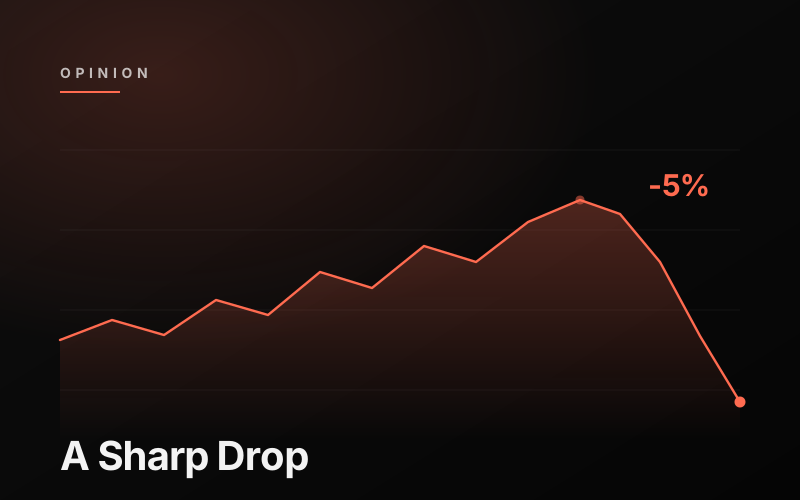
This Friday was ugly. The Nasdaq closed down nearly 5%, serving as a sharp reminder that markets don't move in one direction forever. When a move like that hits, panic tends to follow. But a sharp drop and a broken thesis are not the same thing, and this week, only one of those actually happened.
Two things happened this week. A blowout May jobs report - 172,000 jobs added, roughly double expectations - reaffirmed rate hikes as back on the table and stripped away the quiet assumption that cuts were still coming. At the same time, Google and Meta both moved to issue equity to fund their AI CapEx programs, and markets didn't like it.
The rate story is worth unpacking carefully, because there's a version of it that actually goes against the AI thesis in a more structural way. A strong labour market means AI isn't visibly displacing workers yet, and if the bull case on AI infrastructure spend partly rests on productivity gains showing up as headcount reductions, a persistently robust jobs market is at minimum something to watch. More realistic is likely that widespread AI-driven displacement probably takes longer to materialise than assumed. Whether that delay becomes a problem for the return thesis (or if it is even necessary) is a real question. For now, a strong labour market is not going against the AI trade which drove the market to these levels.
The equity issuance showed the market's line in the sand. When AI CapEx comes from free cash flow, the market has learned to accept it. Equity is different. It dilutes existing holders, increases supply when the market has been loving buybacks, and signals a commitment so large it cannot be self-funded (and as we learned in our corporate finance classes, equity is the most expensive way to raise financing). The market hasn't yet seen the return profile that would make that feel comfortable.
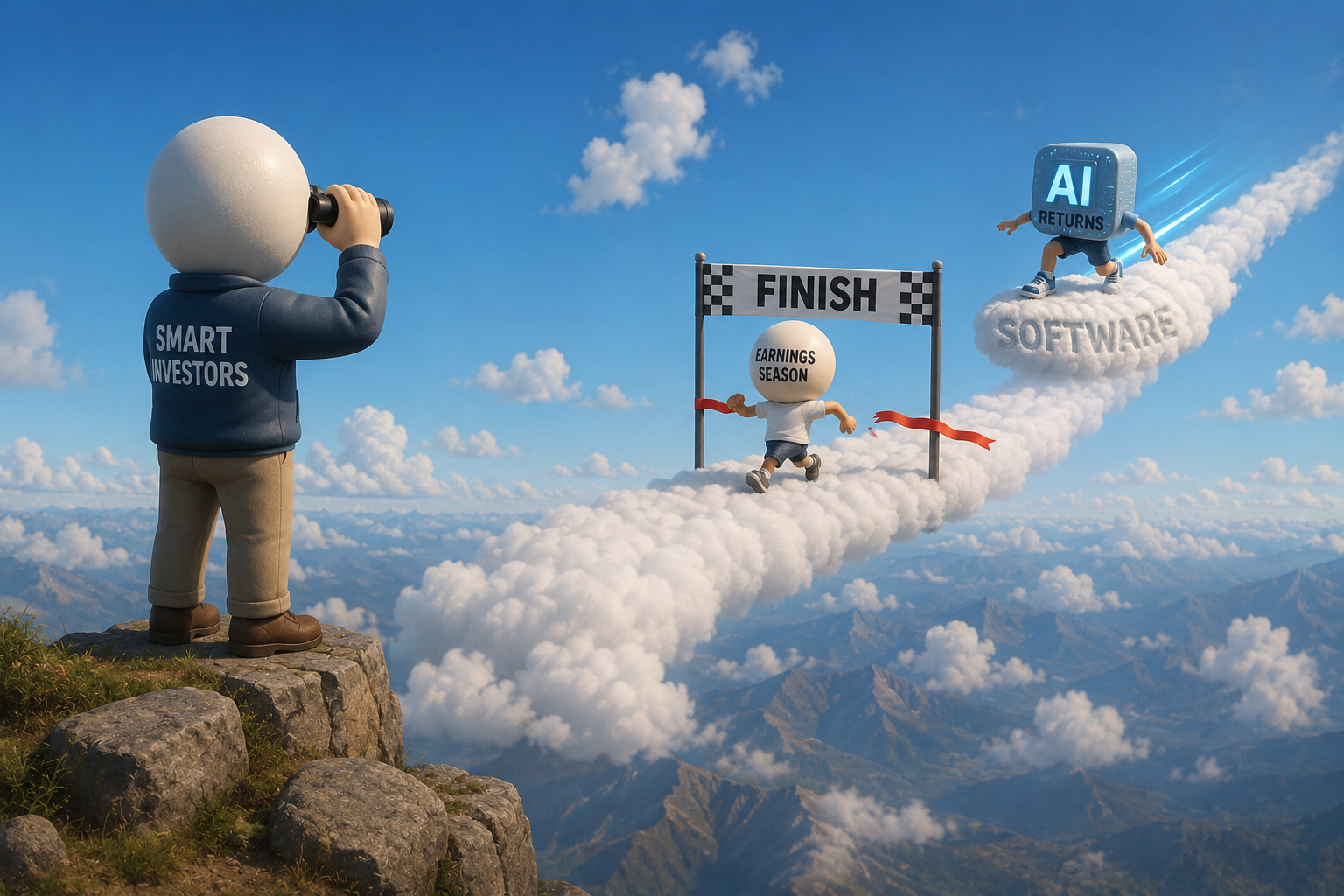
Meanwhile, the things that matter right now continued moving in the right direction. Snowflake reported strong earnings on Wednesday last week, leading pretty clearly (imo) to software names across the board staging a two-day rally on Thursday and Friday last week as investors reconsidered what AI disruption actually looks like at the application layer. The thesis that software would be structurally displaced by AI rather than lifted by it is, at minimum, being pushed out, when we analyse the recent earnings reports and reactions. Capital is starting to rotate back toward the stronger names in software as a result, and that repricing idea was still intact going into this Friday's selloff.
The recent re-excitement about the AI cycle (memory, computing etc.) has now absorbed a war scare, rate hike anxiety (which already became present before Friday's NFP print), and a strong earnings season. It hasn't broken. The companies driving this spending have conviction in their AI investments, and that conviction doesn't evaporate on a strong payroll print.
Days like this feel significant in the moment. Panic quickly spreads in the market, profit taking accelerates the sell-off and you end up with a day like Friday. The reasons markets have been elevated are still there. And with the stocks driving this rally now being up to 20-30% off their highs, will this week really lead to buyers not stepping in again? I doubt it.